

Robert Smalls stole a Confederate ship, freed his family and crew, delivered that ship to Union forces during the Civil War, and later became a United States Congressman.This essay explores why we don’t learn about Robert Smalls in school and what his absence from classrooms reveals about how American history has been taught.
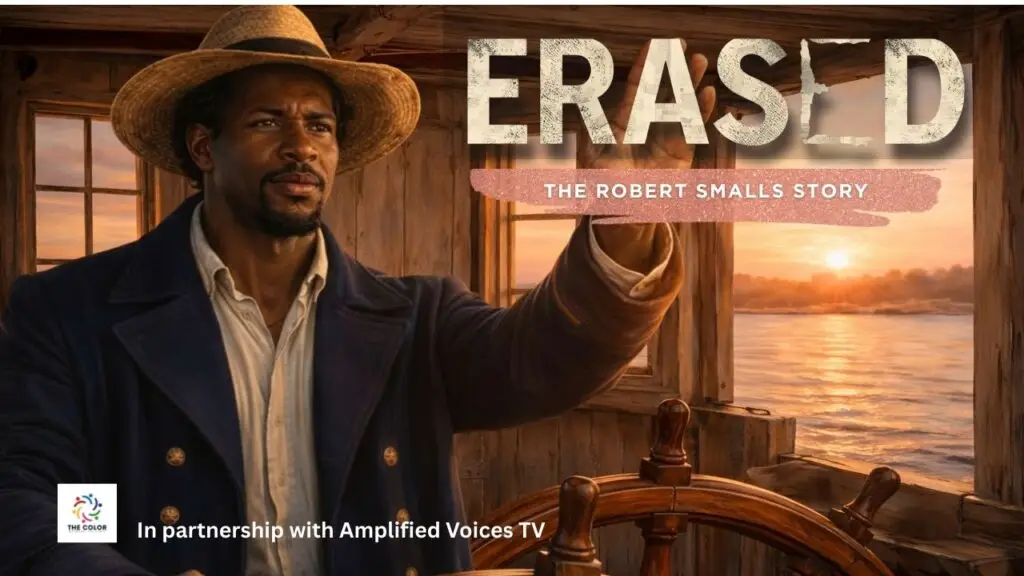
When I First Learned About Robert Smalls
I didn’t learn about Robert Smalls until I was an adult. When I finally encountered his story, it wasn’t through a textbook, it was through independent research and a documentary that focused narrowly on his escape aboard the CSS Planter.
What struck me wasn’t just the escape itself, but what came after. Smalls hired people to teach him how to read. He returned to South Carolina after the war, entered politics and became a Congressman during Reconstruction. That took courage and conviction.
Life in Charleston Harbor
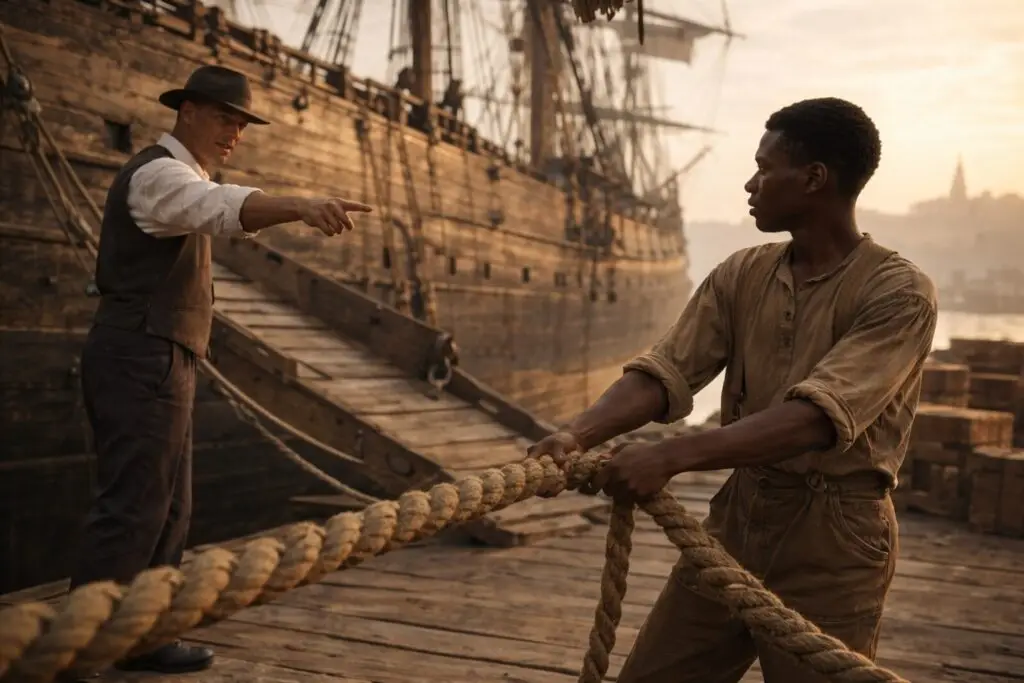
Robert Smalls was enslaved in South Carolina, working in Charleston Harbor during the Civil War. Day after day, he loaded ships, watched sailors come and go, and learned the rhythms of the port, who gave orders, which signals mattered, and which mistakes could cost a life.
In May of 1862, he used that knowledge to carry out one of the most daring acts of resistance in American history.
The Escape That Changed Everything
He didn’t fight his way out.
Instead he blended in and used the system against itself.
When we look back at the risks enslaved people endured, it’s hard to comprehend the strategic precision required to plan an escape involving nearly twenty people without being caught. That’s what Robert Smalls did. And it challenges the idea that enslaved people were passive or waiting to be saved.
Why This Story Disrupts a Comfortable Narrative
One reason Robert Smalls’ story isn’t widely taught is that it disrupts a comfortable narrative. Too often, enslaved people are portrayed as having little agency. Smalls’ life tells a different truth. It’s one of constant observation, adaptation, and resistance under brutal conditions.
Reconstruction and the Fight for Citizenship
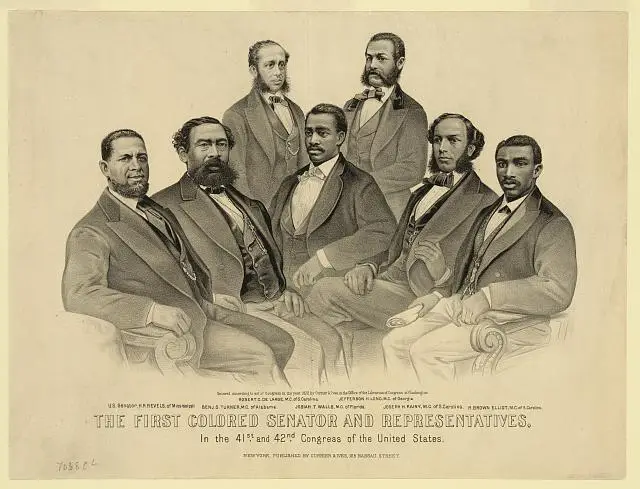
After the Civil War, the United States entered a period known as Reconstruction, roughly from 1865 to 1877. This was the moment when the country attempted to rebuild the South and define citizenship for millions of formerly enslaved people.
During Reconstruction, Black men were elected to local, state, and federal offices. Public education systems expanded. And civil rights protections were written into law.
Robert Smalls was part of this wave. He wasn’t an exception. He was proof of what Reconstruction made possible.
How Reconstruction Was Rewritten
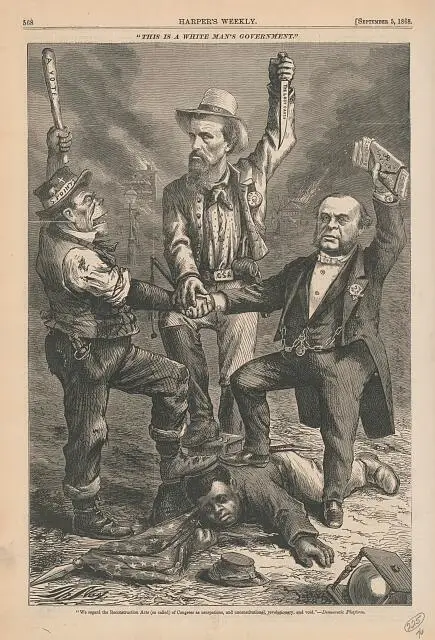
But in the late 1800s and early 1900s, a new narrative took hold. Reconstruction was reframed as a failure. Black political leadership was portrayed as corrupt or incompetent. White supremacist violence was minimized or justified as restoring order. And the Black folks who were in leadership were forced out.
This interpretation, often called the Lost Cause, dominated textbooks, classrooms, and popular history for decades.
The Cost of Erasure
Once Reconstruction was labeled a failure, the people who represented its promise were pushed out of the national memory. Black lawmakers like Robert Smalls were reduced to footnotes or erased entirely. Reconstruction itself was rushed, softened, or skipped altogether.
As a result, generations of students learned that slavery ended and then history jumped straight to Jim Crow without fully examining the moment when democracy briefly expanded and was then rolled back by force.
This gap affects all Americans. When history is simplified or erased, it becomes harder to understand why inclusion, citizenship, and democratic participation remain contested today.
Why ERASED Exists
That’s why ERASED: The Robert Smalls Story exists.
I created this short, animated documentary to offer a clear, accessible entry point for classrooms, families, and anyone curious about the parts of American history they were never fully taught. It’s not a perfect film, but it is another record, another invitation to learn, and another reason to question what’s missing from the stories we inherit.
If you’ve never learned about Robert Smalls, you’re not alone.
I hope this essay encourages you to read more, explore further, and consider works like Congressman James E. Clyburn’s The First Eight, which documents the Black lawmakers who helped shape American democracy during Reconstruction.
These stories endured.
And they still matter.
#RobertSmalls #Reconstruction #BlackHistory #ERASEDSeries #HiddenHistory #AmericanHistory #CivilWarHistory