
A conversation with civil rights investigator Jill Collen Jefferson about suspicious deaths, investigative journalism, and the legacy of Ida B. Wells.
What if the official story isn’t the whole story?
I recently spoke with civil rights investigator Jill Collen Jefferson, founder and director of JULIAN about what she describes as modern-day lynching investigations across the United States.
It’s a question that has followed journalists for generations. Sometimes it leads to uncomfortable discoveries. Other times it reveals truths people would rather not confront.
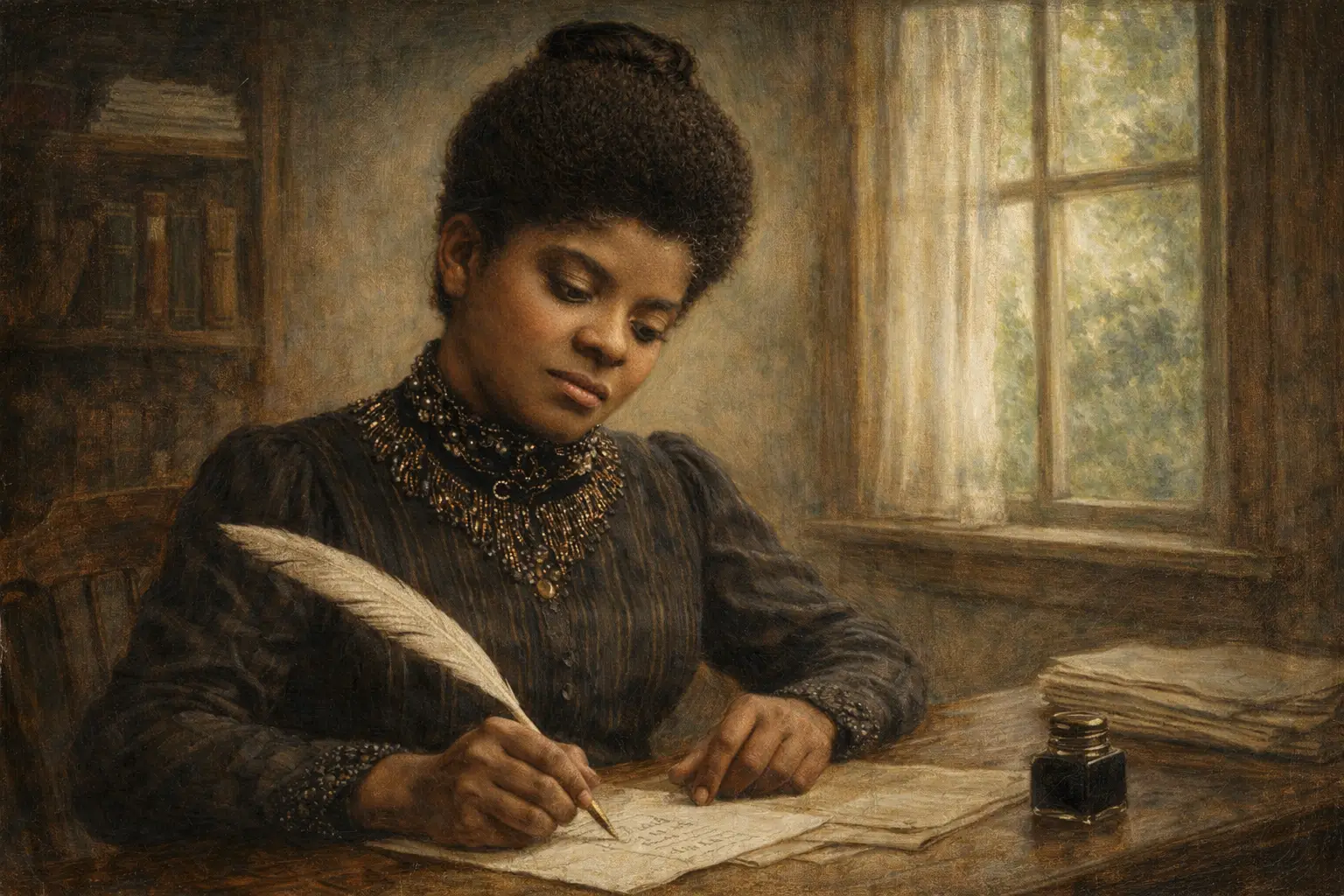
More than a century ago, investigative journalist Ida B. Wells asked that question repeatedly when she began documenting lynchings across the United States.
At the time, many newspapers accepted official explanations for violent deaths involving Black Americans. Reports often described lynchings as accidents, suicides, or justified acts of punishment.
Wells did something different.
She investigated.
Her reporting, later published in her groundbreaking work A Red Record, challenged the narratives that had been accepted without scrutiny. She gathered evidence, documented patterns of racial violence, and forced the country to confront a reality many preferred to ignore.
More than 130 years later, the question she raised still echoes.
Investigating Suspicious Deaths and “Modern Day Lynchings”
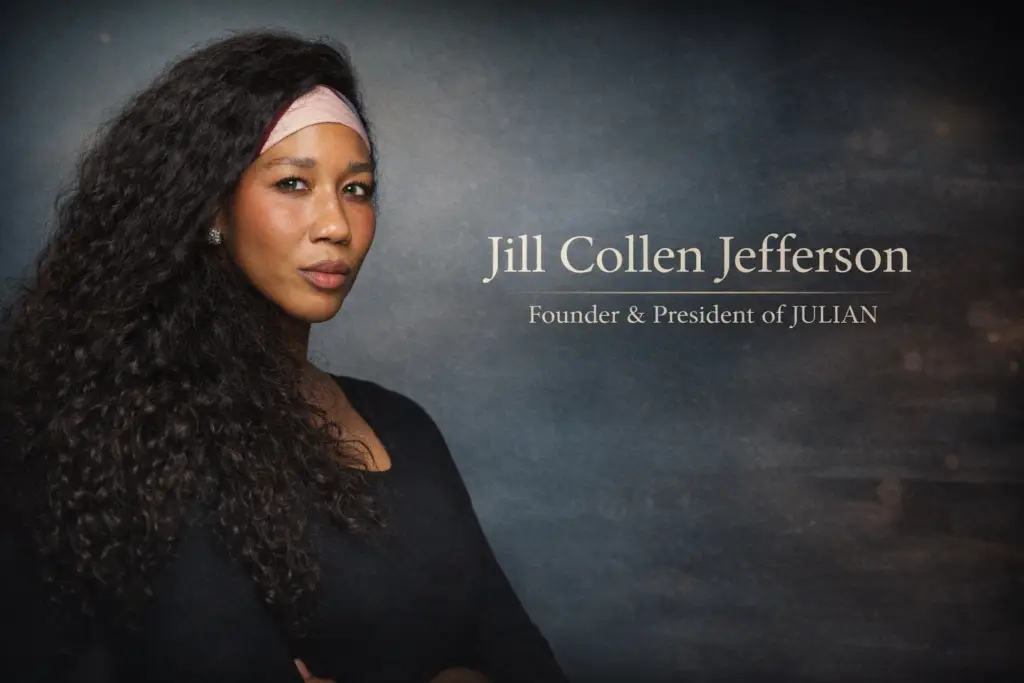
Recently, I spoke with civil rights investigator Jill Collen Jefferson, founder of the organization JULIAN, whose research examines suspicious deaths across the United States that families believe were never fully investigated.
Jefferson’s work has drawn national attention because she uses a word many people believe belongs only in history books.
The Emotional Weight of Investigating Injustice
Jefferson’s investigation draws inspiration directly from the model Ida B. Wells used more than a century ago: follow the facts, examine the evidence, and question official conclusions when they don’t hold up.
It is difficult work.
Not just intellectually, but emotionally.
Toward the end of my conversation with Jill Collen Jefferson, we spoke about something that doesn’t always make it into interviews or news reports.
The emotional toll of doing this kind of work.
When you spend years examining violent deaths, reviewing police reports, reading autopsy findings, and listening to families describe the loss of their loved ones, it changes you.
Before the interview ended, I told Jefferson something I genuinely meant.
I told her I hoped she gives herself grace.
I hoped she made time to step away, laugh, or do something that has nothing to do with investigations, reports, or injustice.
Because work that confronts the darkest parts of our history can quietly take a toll on the people doing it.
Journalists know this feeling too.
Investigating difficult stories means carrying them with you — sometimes long after the recording stops or the article is published.
And in moments like that, the challenge becomes learning how to hold both truths at the same time.
The weight of the story.
And the importance of finding joy and peace in the middle of it.
But Jefferson’s research also raises another difficult question — who is most vulnerable to this violence today?
Bias Steeped in Hypermasculinity
Organizers of the JULIAN project reveal the fact that a growing number of lynchings since the 1980s have been directed against Black transgender women.
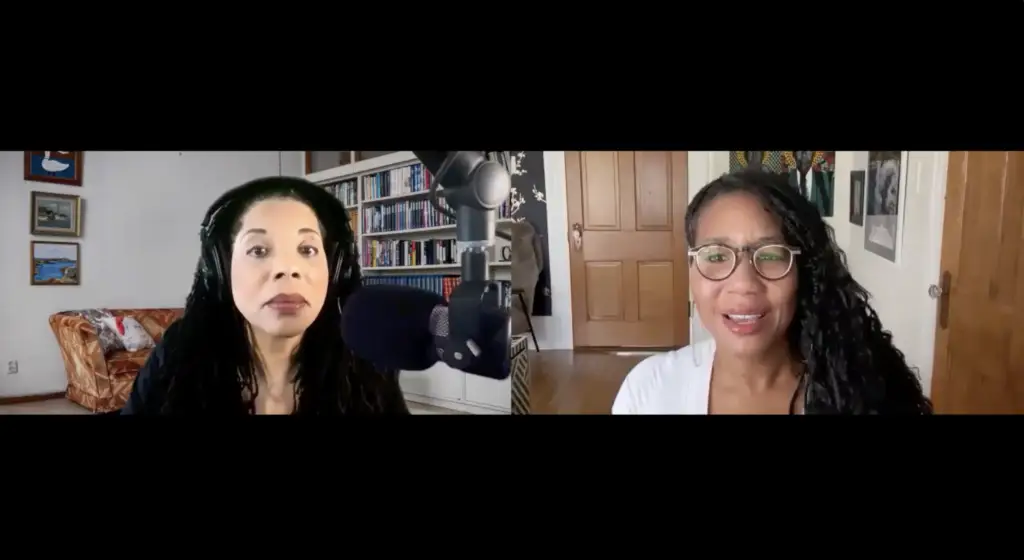
I asked her directly:
“Your report notes that nearly one third of victims identified are Black transgender women. Why, in your opinion, are certain communities particularly vulnerable?
Jefferson replied:
“You know, I think certain communities that we saw the most lynchings of black men and trans, Black trans women. And I think that part of that has to do with toxic masculinity in terms of trans people, in terms of anti-trans rhetoric that’s been out there…for years.”
She added that many states have passed laws about separate bathrooms, and that this group lacks protections, making them extremely vulnerable.
It also connects to Western societies’ interpretation of Old Testament scripture about homosexuality and the belief, held by some, that human beings who identify as LGBTQ+ lack morality and live outside moral law.
When people inflict violence like lynchings against these groups, it reflects the opposite of the core of what Christianity is supposed to be about — love of your fellow human being.
And it conflates White Nationalistic doctrine, as part of the teachings of Jesus.
Some as “mainstream Christians” have adopted this belief — even though they’re not White Nationalists. And because of that, many Christians will reflect quietly inside their congregations when they see the murder of someone in this group, believing that somehow it’s God’s will or justified because their lifestyle is “condemned” in scriptural texts.
And this belief extends the Jim Crow era or US Slavery when lynching was justified as punishment for Black people who stepped out of line.
You can watch my full conversation with Jill Collen Jefferson here:
The Legacy of Ida B. Wells and Investigative Journalism
More than a century ago, Ida B. Wells understood that the only way to confront injustice was to bring truth into the light.
Her reporting exposed patterns of racial violence that had long been hidden behind official explanations.
She faced threats, harassment, and exile for her work.
But she refused to stop asking questions.
Her legacy reminds us that journalism is not simply about reporting events.
It is about investigation.
It is about evidence.
And sometimes, it is about challenging the story everyone else has already accepted.
A Question Worth Asking
Today, new generations of journalists, researchers, and investigators continue to examine difficult questions about history, justice, and accountability.
Some of those questions are uncomfortable.
Some challenge assumptions people have held for decades.
But that is often where truth begins.
So perhaps the question Ida B. Wells raised more than a century ago is a question worth asking today.
What if the official story isn’t the whole story?