

The Hidden Crisis of Black Senior Homelessness
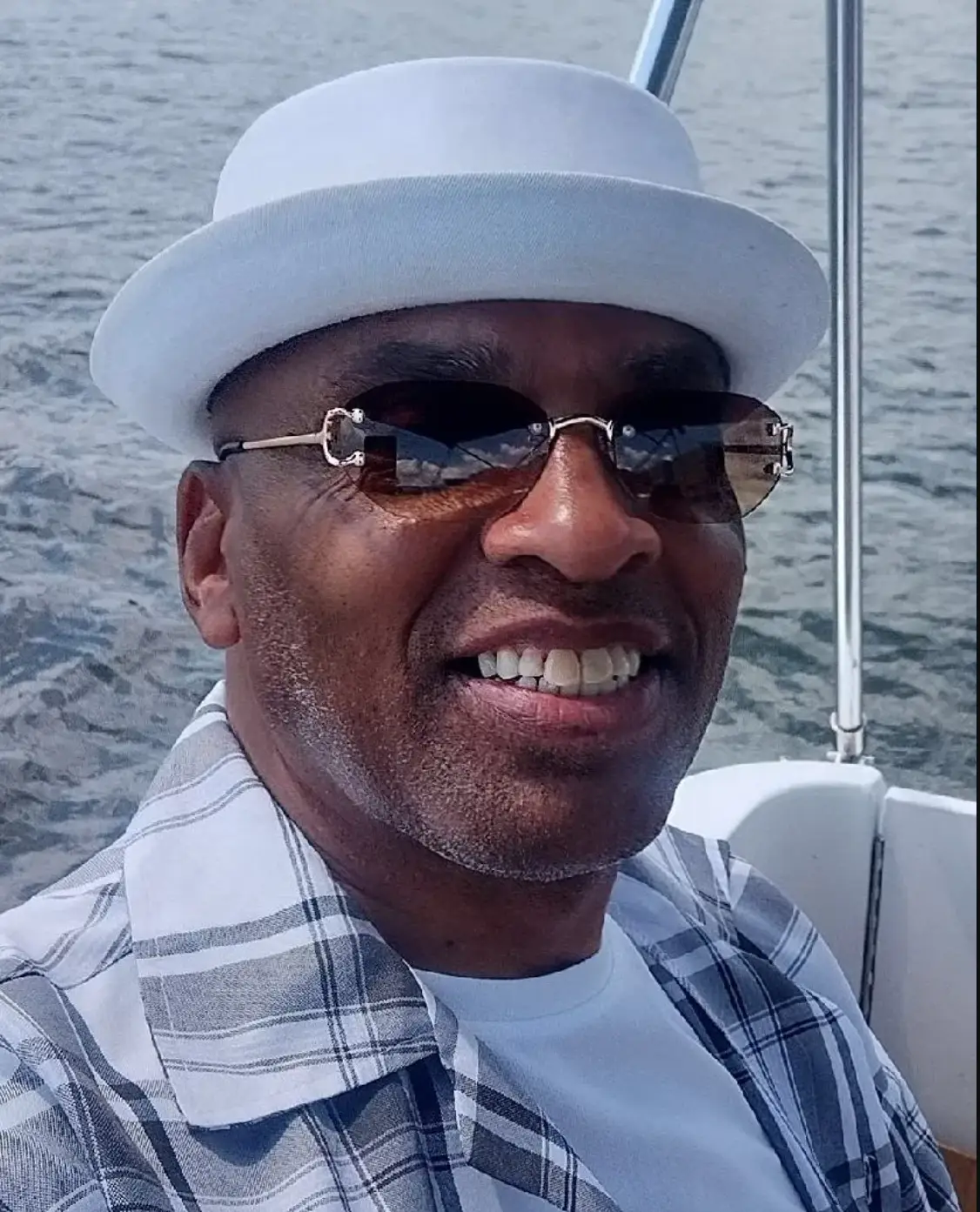
Black senior homelessness is rising at a rate that should alarm every one of us. And Donald Gardner’s story puts a human face on a crisis that most people never see coming.
He says it was back when he was 68 years old. Donald worked as a cobbler, a caretaker and an HUD contractor. He had spent his entire adult life building something real. And then the pandemic hit and everything disappeared. His story is Part Two of Unhoused and Unheard: The Black Experience of Homelessness, now available on The Color Between the Lines. It is a story that changed me in ways I did not expect when I sat down to record it.
He Worked His Whole Life — and Nobody Knew He Was Homeless
Before Donald Gardner lost his housing he had built something real. He says he ran a shoe repair business. He worked with HUD on the side, and spent eleven years as a full-time caretaker for his godfather. Then the pandemic shut everything down. His godfather passed. The family showed up to take the house and Donald — a man who had never stopped working — found himself with nowhere to go.
What he did next is something most people would never guess.
A job at TGI Fridays became his cover. He parked his car nearby — because that was where he was sleeping at night. Every morning he walked into work and smiled at every customer like everything was fine. Nobody knew he was homeless.
When he told me that he laughed. It wasn’t because it was funny, but because sometimes that is the only way a person can talk about something that almost broke them. And in that laugh, I could see he held back tears. And I heard years of dignity held together by sheer will.
The Numbers Behind Black Senior Homelessness
Donald’s story is not the exception. According to the HUD 2024 Annual Homelessness Assessment Report, one in five people experiencing homelessness in America is 55 or older. Seniors are now the fastest growing group without a home. Experts say numbers projected to triple by 2030 according to the National Alliance to End Homelessness.
Black Americans make up 12 percent of the general population. But ironically, they account for nearly 32 percent of everyone experiencing homelessness in this country. That gap is not an accident. It is the result of decades of structural inequality in housing, employment, and a social safety net that was never fully designed to serve Black Americans equitably.
Donald Whitehead, Executive Director of the National Coalition for the Homeless, put it plainly when I sat down with him for this series. He said, “People see homelessness as a moral failure. But really — it’s a structural failure.”
Donald Gardner lived that structural failure every single day. He hid his food in trees to keep the rats away. Donald washed up wherever he could find water. He went to work every single day. And he waited — for fourteen months in a hotel shelter — until a knock on the door on Martin Luther King’s birthday in 2021 changed everything.
What It Takes to Survive Homelessness as a Black Senior
A housing voucher arrived. A case manager showed up on her day off. And a man who had never stopped believing that God had not forgotten him finally had a door to walk through.
Donald now works with the National Coalition for the Homeless — using his lived experience to help others navigate the same system that once failed him. He is clear about what that system costs people beyond the obvious — not just financially, but in terms of dignity, identity, and the simple human need to be seen.
When I asked him what people experiencing homelessness actually need from the rest of us, he leaned forward — close to the camera — and looked directly into the lens.
The Moment That Changed Me
I have been a journalist for a long time and sat across from a lot of people and listened to a lot of stories. I thought I was prepared for this interview. However, I was not prepared for what Donald Gardner said next.
He looked directly at the camera and said: “You know what homeless people want? Eye contact — to be recognized as a human being. Let’s start there. Can you speak? You’re too busy on your phone that you don’t see this homeless person.”
I felt that. In a personal way that I was not expecting. Because he was right. There have been moments when I have walked past someone without looking up. Moments when I was too distracted to offer even a glance of acknowledgment to another human being who was simply trying to exist with dignity.
Donald was not asking for grand gestures. He made that clear too. He said: “It’s okay to tell a person, I don’t have it today. God bless. What’s your name?” And he added to say if I see you tomorrow, even if I don’t have nothing to give you, I say — hey, how you doing? God bless you. And that is enough.
That is where he says we have to start. Don’t start with policy or with programs. Start with the decision to look up and acknowledge that the person in front of you is a human being who has a name and a story and a life that brought them to that corner or that shelter or that park bench.
Why Black Senior Homelessness Needs to Be Heard
Black senior homelessness does not always look the way most people picture it. It does not always mean someone sleeping on a sidewalk. Sometimes it looks like a 68-year-old man driving to work in the morning and parking near the restaurant because that is where he spent the night. Sometimes it looks like someone smiling at every customer while carrying a secret that would break most people.
This is why I created Unhoused and Unheard: The Black Experience of Homelessness. Not to exploit anyone’s pain. But to shine a light on the truth — with care, dignity, and the journalistic standard that these stories deserve.
[Read Part One of Unhoused and Unheard — Adaora Onuora’s story of aging out of foster care — here/]
Watch or Listen Now
▶️ [Watch Part Two of Unhoused and Unheard: The Black Experience of Homelessness on YouTube
Part Two is available now on The Color Between the Lines — on the ALIVE Podcast Network, iHeartRadio, Apple Podcasts, Spotify, Roku, Apple TV, Fire TV, Samsung TV, and wherever you listen to podcasts.
If this story moves you — share it. And if you want to get involved or find resources in your community, visit nationalhomeless.org.
The next time you pass someone on the street — look up. Make eye contact. Say good morning. Say God bless you. Ask them their name.
It costs nothing. And according to Donald Gardner — it means everything.
— Esther Dillard Host, The Color Between the Lines